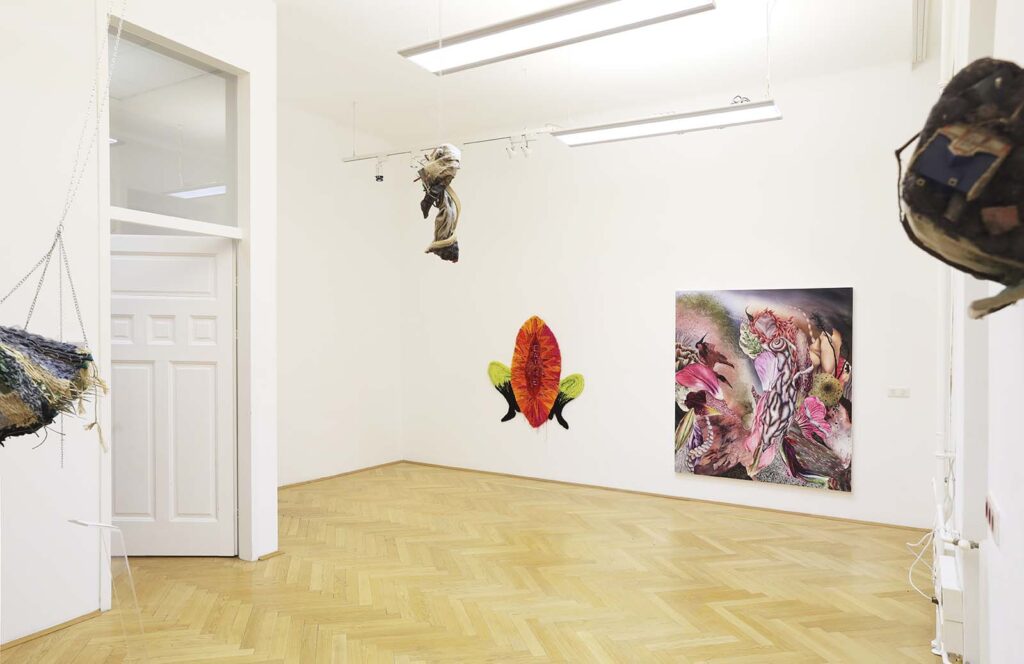
A website dedicated to the exhibition presented at the Queer Museum Vienna. It includes a curatorial introduction, the exhibition’s documentation, and a selection of essays.
Artists: Bartosz Kokosiński, Carlos Motta, Krzysztof Gil, Liliana Zeic, Paweł Matyszewski, Pille-Riin Jaik, Zula Tuvshinbat
list of content
Curatorial introduction
From Ego to Eco
This utopia has no center — no head, no authority.
Humans do not occupy a privileged position above the world; they are neither its rulers nor its measure. They exist as part of a collage of bodies, materials, and forces — entangled, interdependent, and constantly transforming through relations.
Becoming vs Being
If the self is never fixed, neither is desire. Desire — pre-subjective — flows freely through bodies, encounters, and social assemblages. It doesn’t need to settle into prescribed identities — man or woman, cis or trans, straight, gay, bi, ace, top or bottom, Black, Brown, White, and so on and so on.
Claiming “I am X” can freeze desire, interrupting the flow of curiosity and possibilities. It risks replacing lived sensations with identity as obligation, subordinating the richness of actual experience to scripts and labels, turning life into duty instead of lived intensity. What if, instead of immediately naming or judging, we simply allowed desires to follow — letting life be felt fully, even when it disorients or unsettles us?
Against Regimes of Identity
Fascism and capitalism rely on identities shaped by consumption, competition, and belonging, rooted in binary oppositions — self/other, human/nature, male/female, inside/outside, nation/outsider. These predictable forms order, hierarchize, and discipline, constraining desire, narrowing imagination, and bending bodies to obey. Identity functions as a filter and a channel, capturing affect and desire, shaping them into socially acceptable forms while cutting off their surplus, intensity, and wildness.
Fluid Self and the Politics of Desire
In contrast, this utopian project invokes the fluid self and desire — relational, unstable, and always becoming. Queer desire becomes political because it refuses to be pinned down by static identities, normative scripts, productivity regimes, or utilitarian logics.
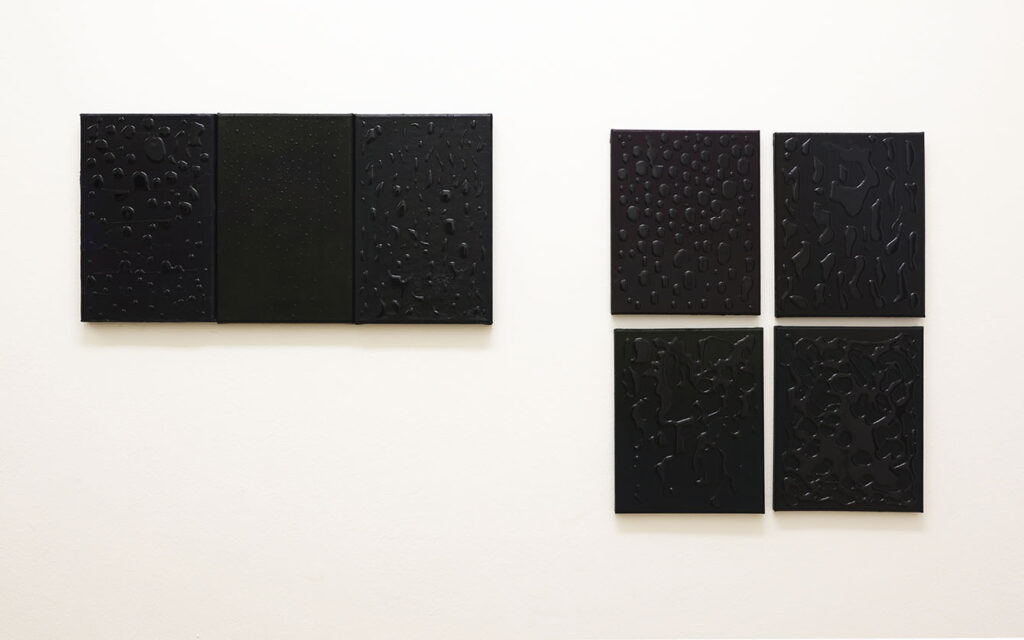
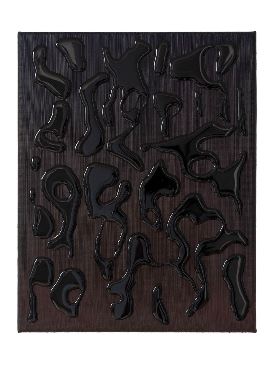
It overflows, drips, leaks, and squirts across boundaries, contaminating, smearing, and soiling the fascist fantasy of purity — seeping into messy, wild, and unpredictable ways of living, loving, and relating.
Queer eco-mythologies
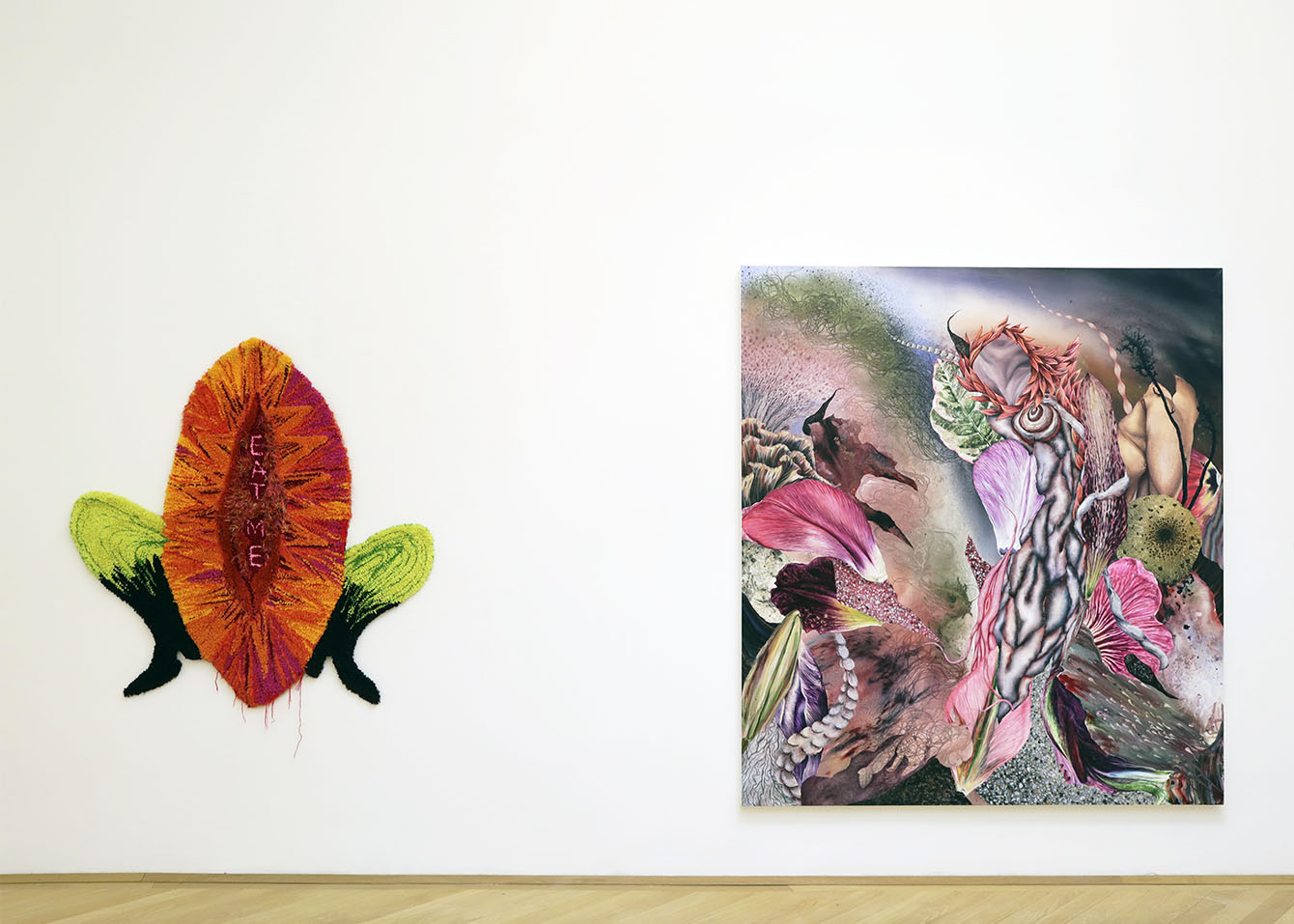
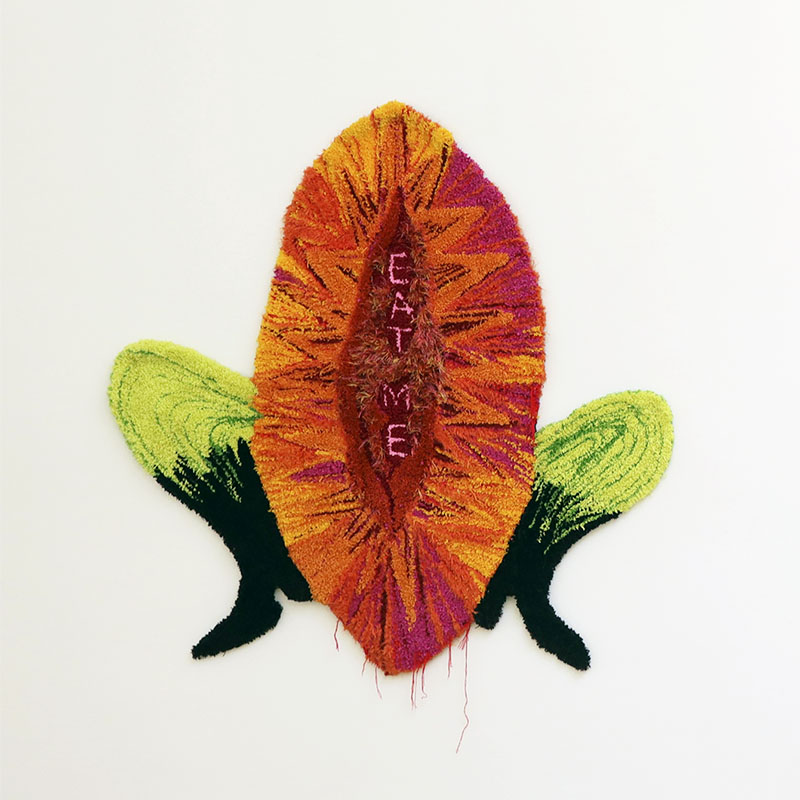
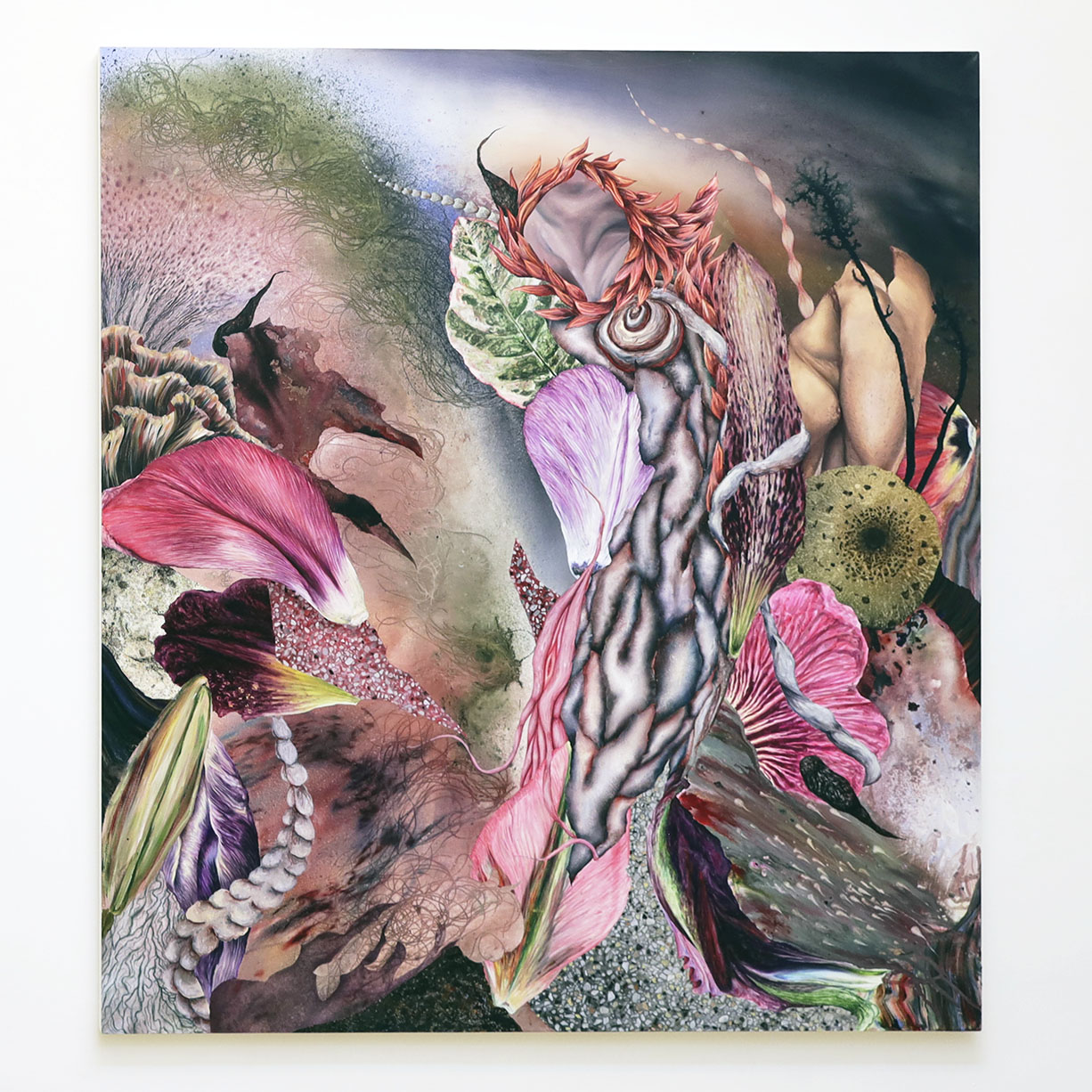
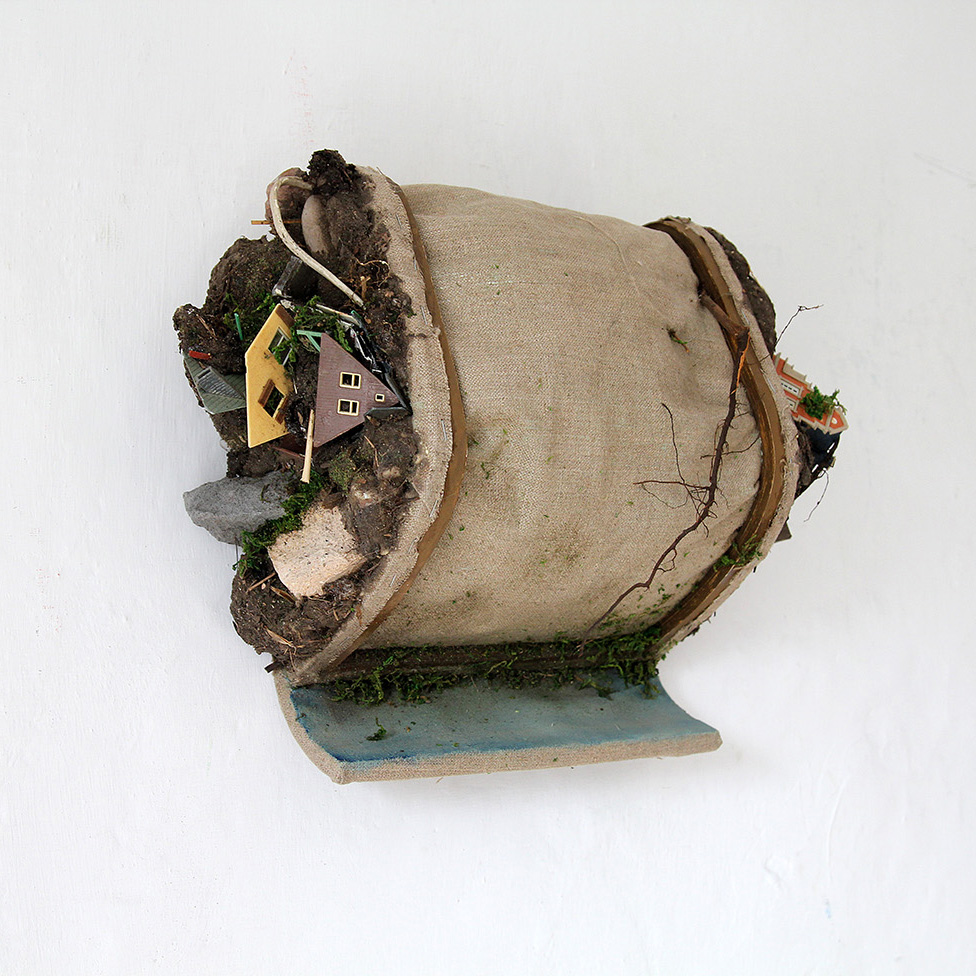
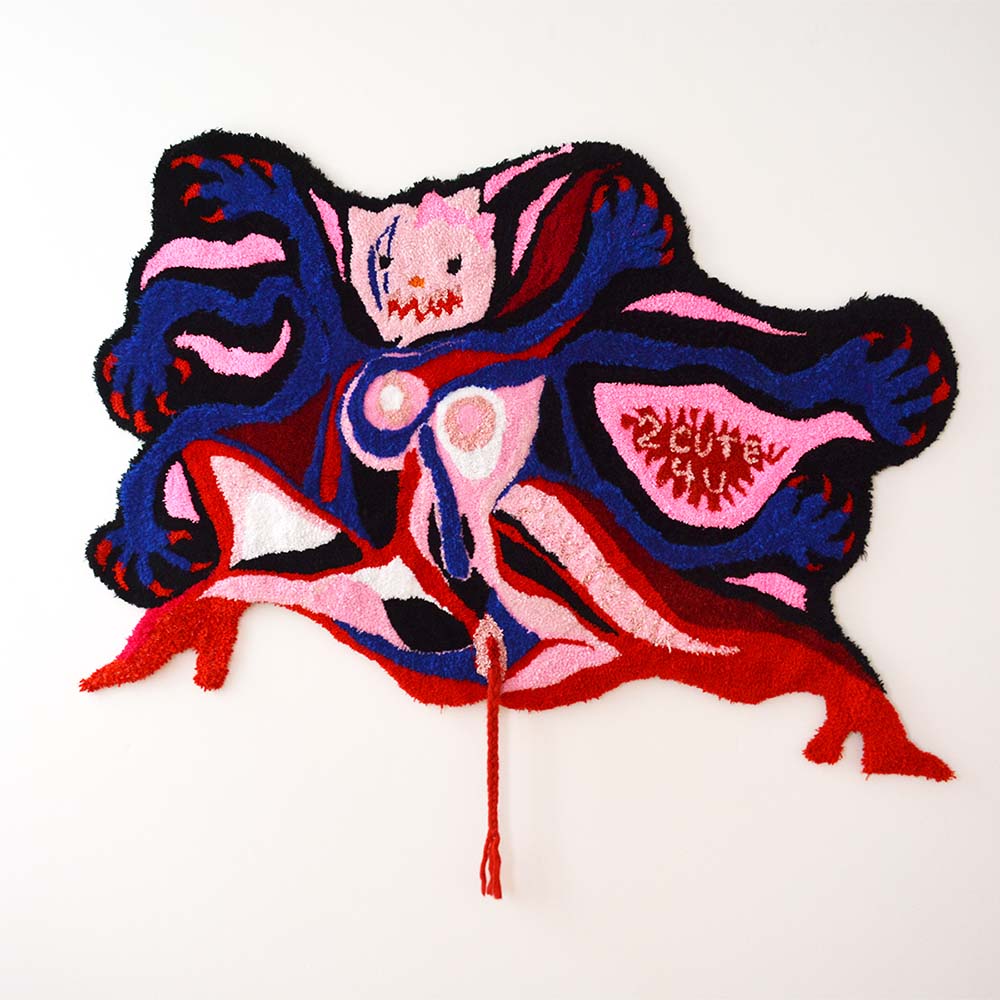
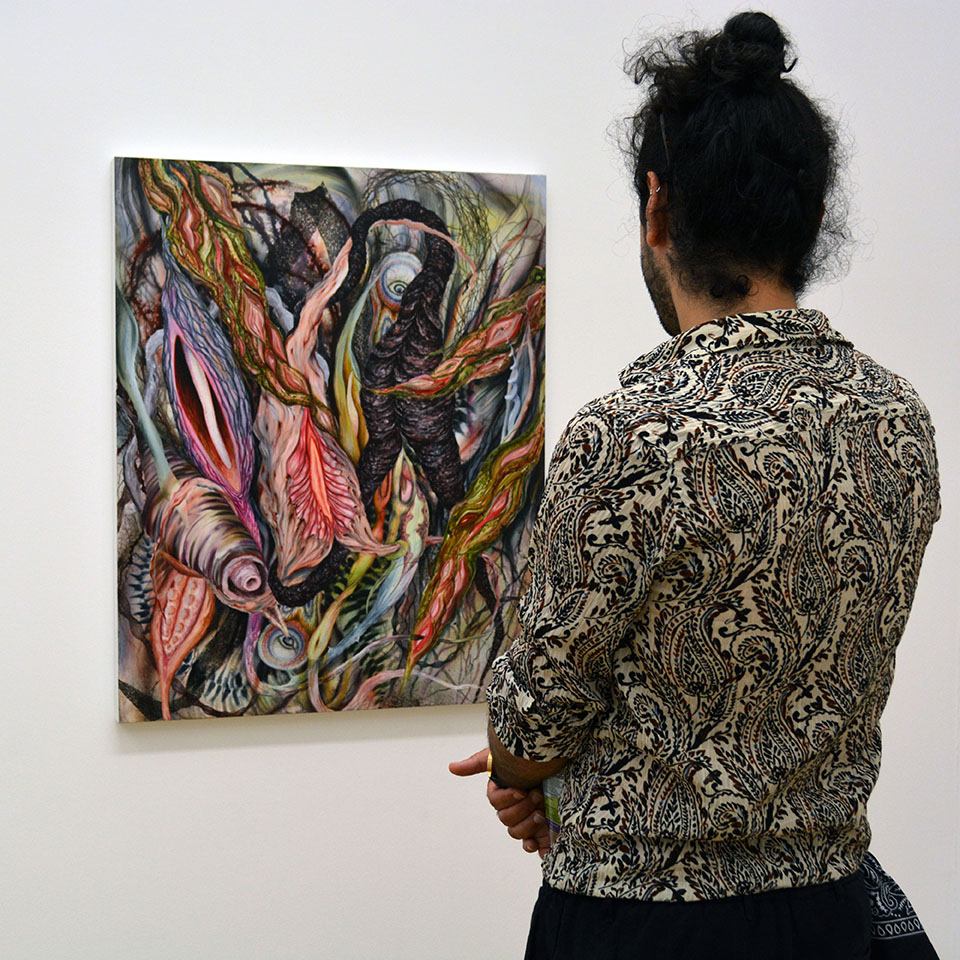
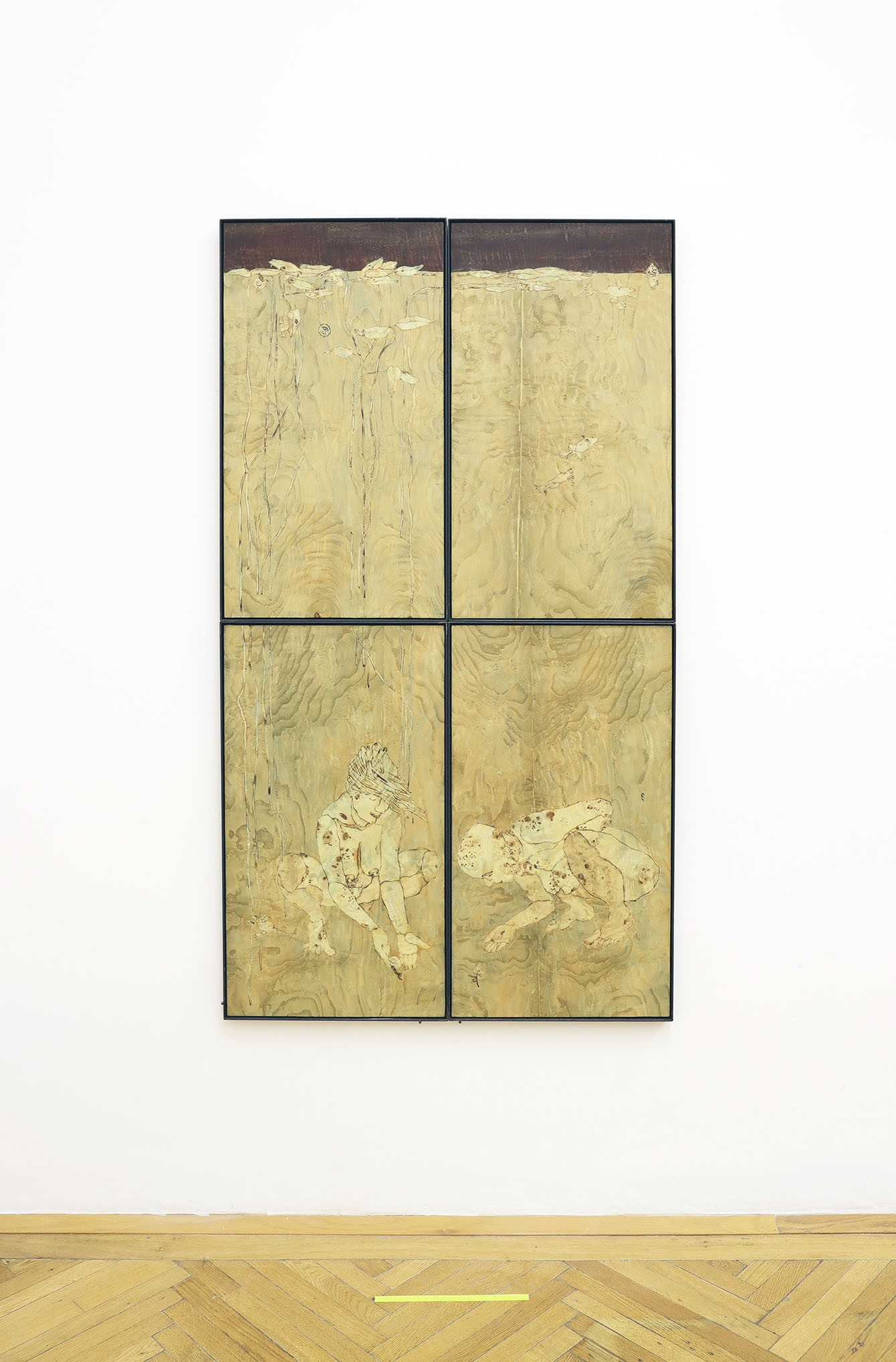
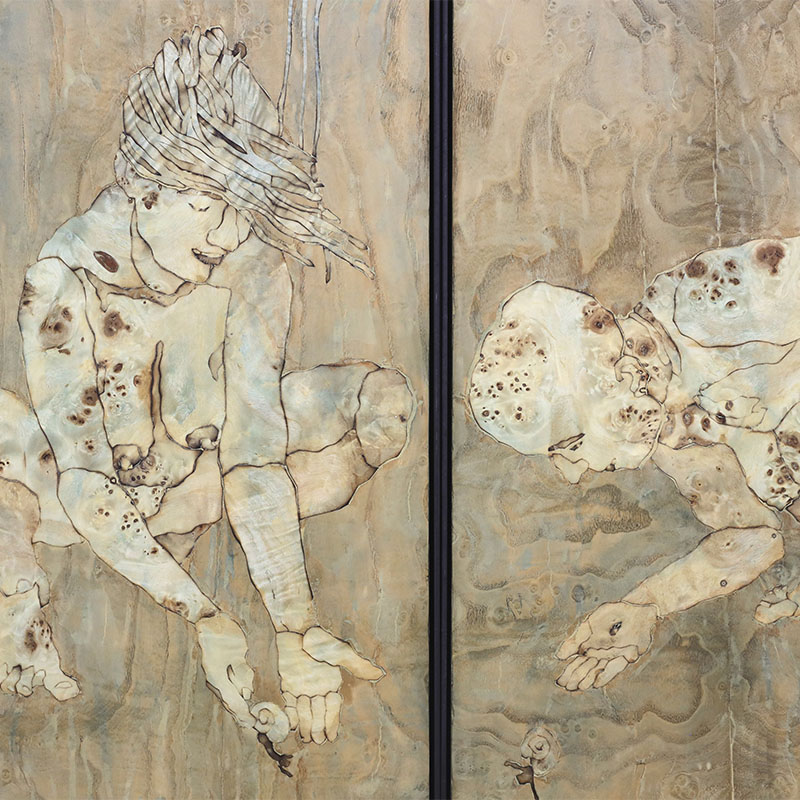
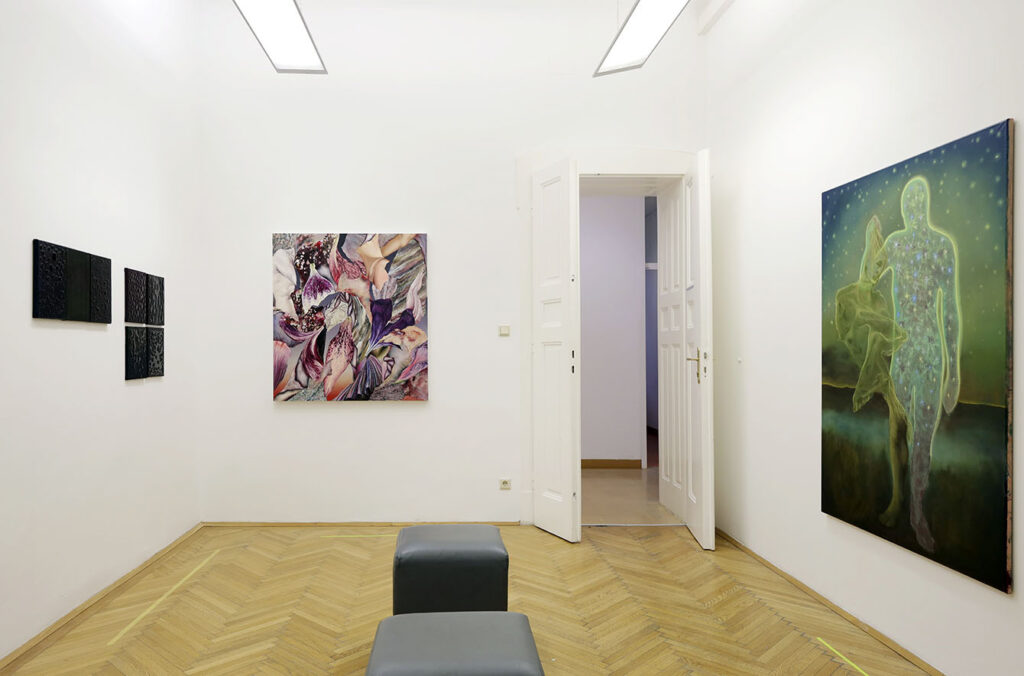
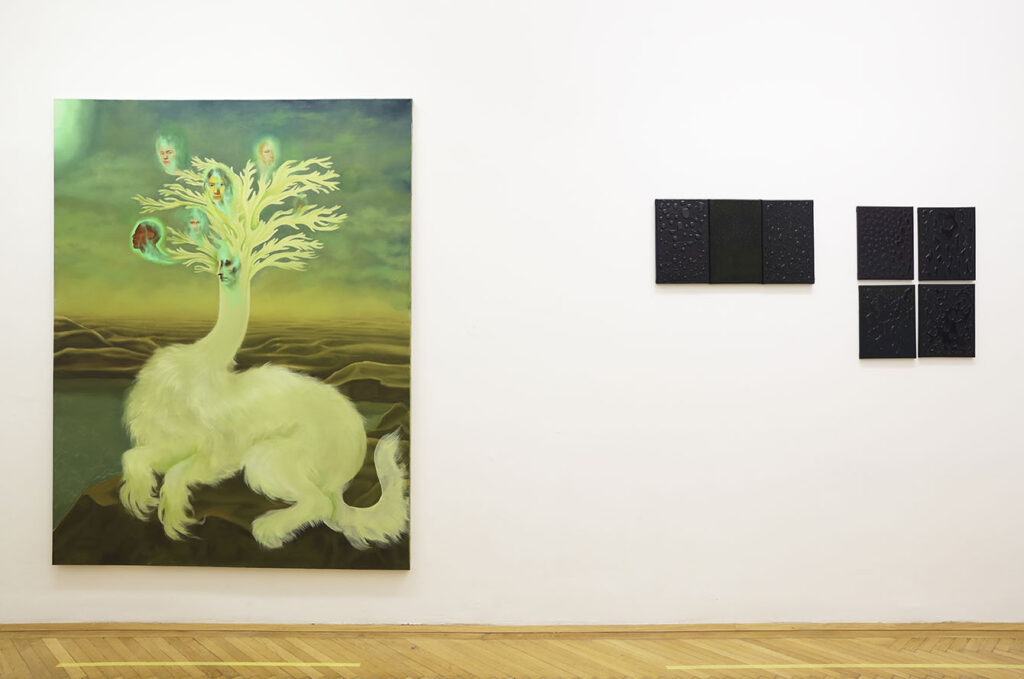
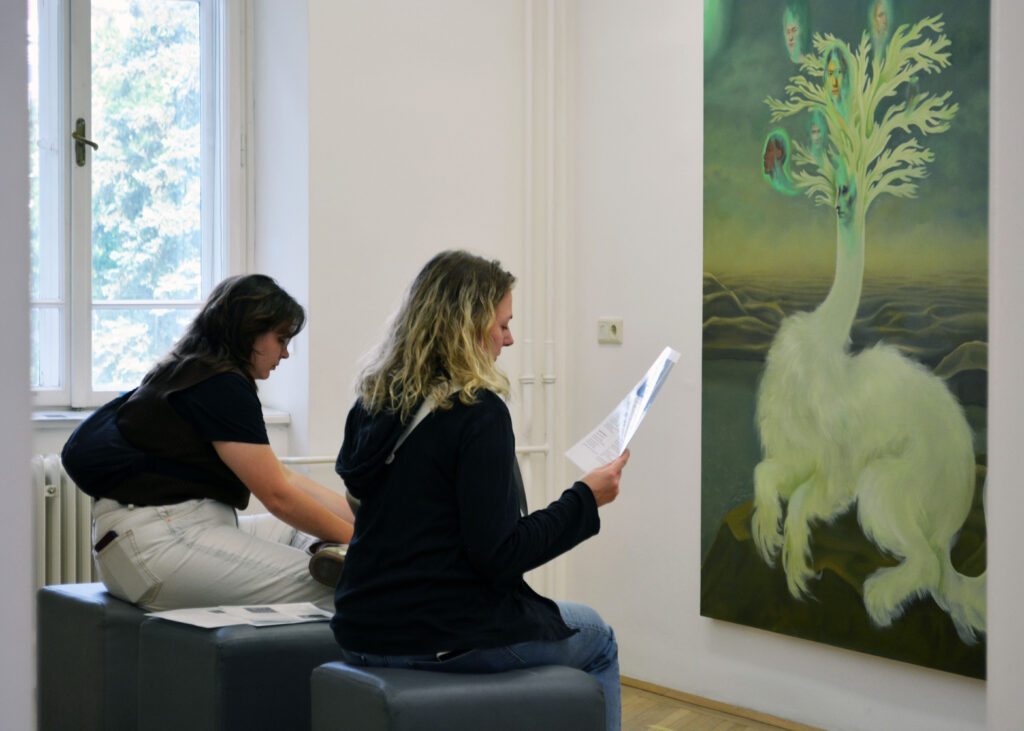
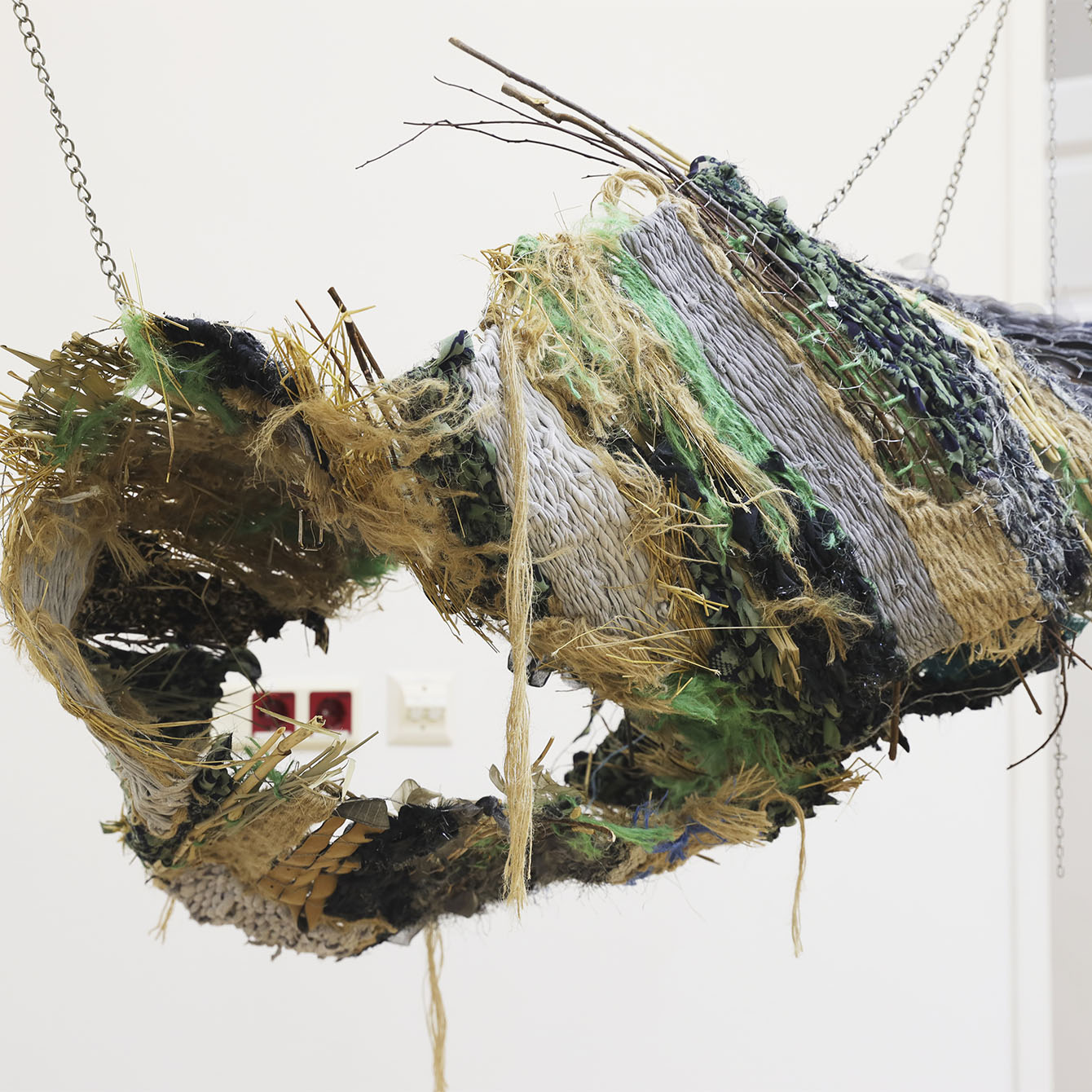
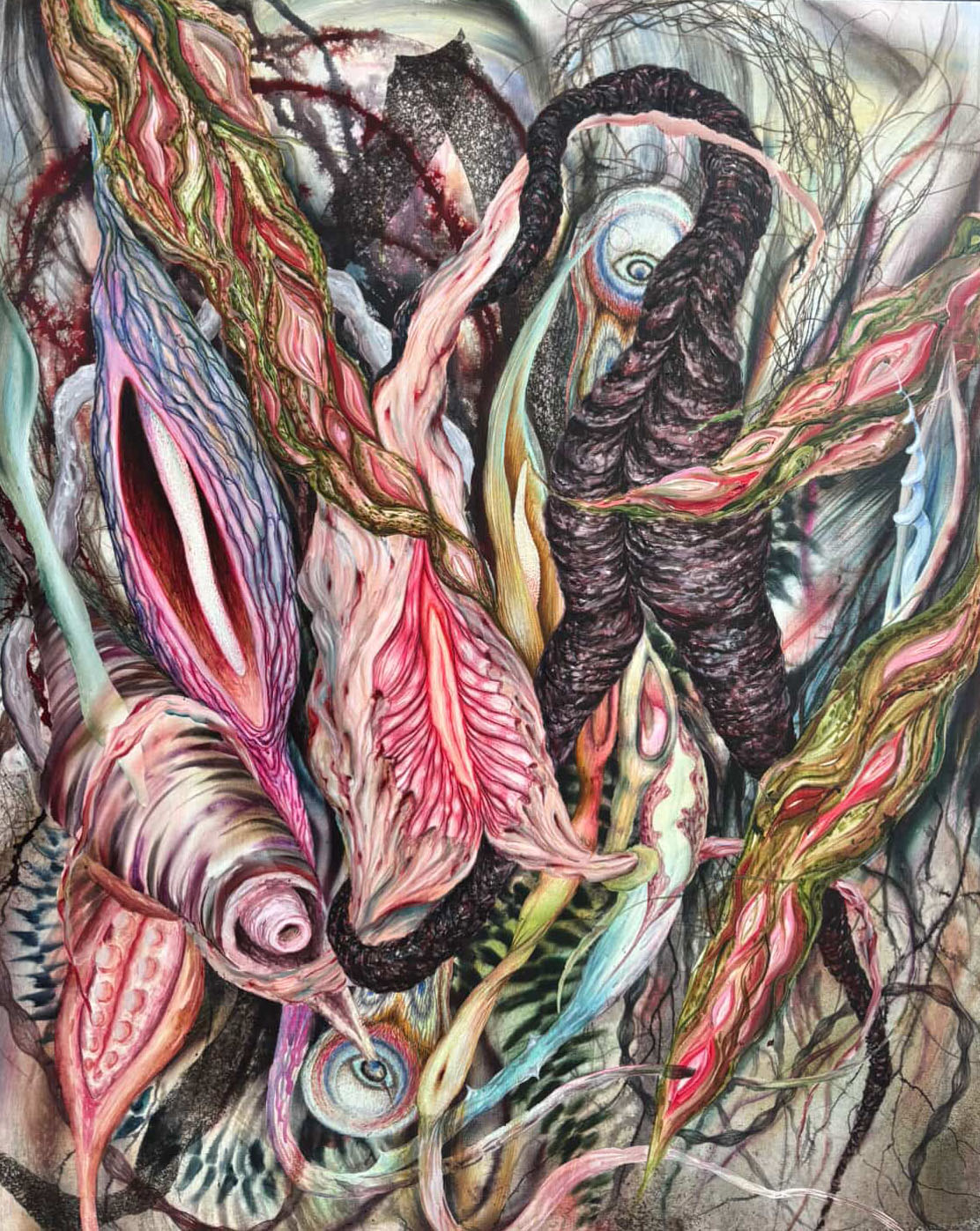
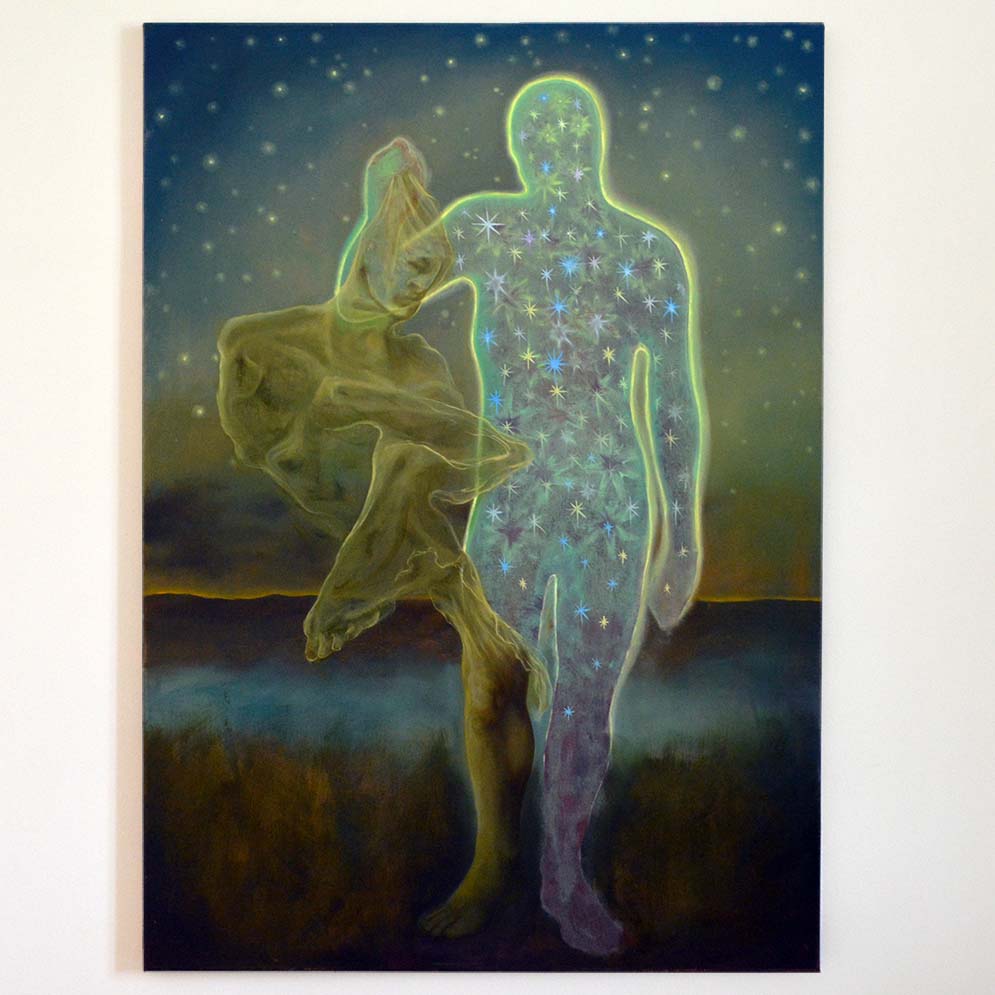
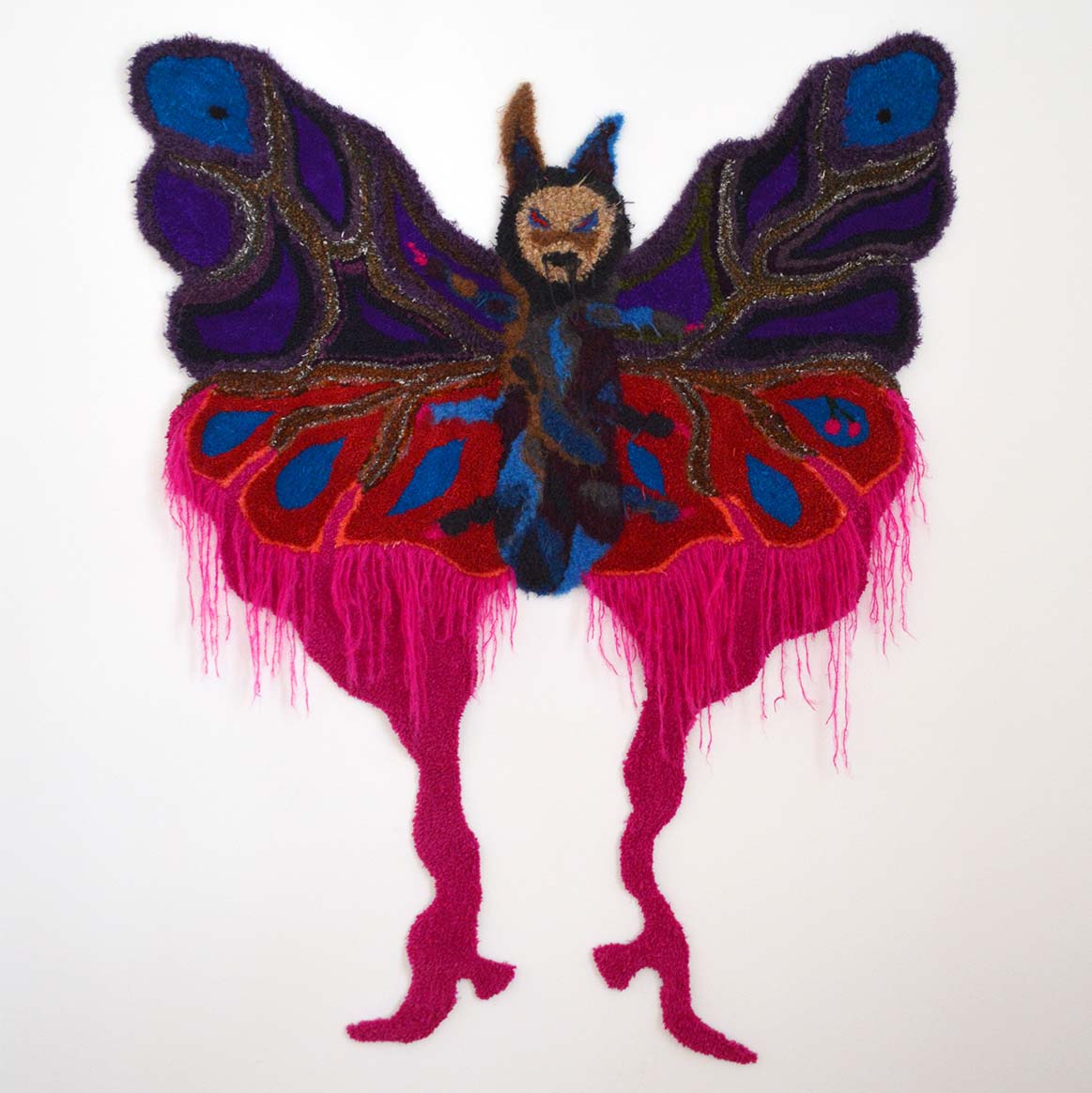
The works in this exhibition embody that excess. Bodies, objects, and landscapes merge, mutate, and spill into one another, forming hybrid amalgams that escape binaries and ego-driven narratives. What unfolds is a tableau of queer eco-mythology populated by oddly formed beasts, anomalies, and outcasts. Breaking with anthropocentric logic, they invite us to unlearn, drift, and unbuild the structures of oppression. Prepare to be bewildered, cruising with wild things that resist containment and rewrite the imaginable.
Michał Rutz